France's Regulatory Framework for Ensuring Fair Play in Mobile Slots and Live Dealer Experiences
Écrit par Olivia Neumann · 21/8/2026
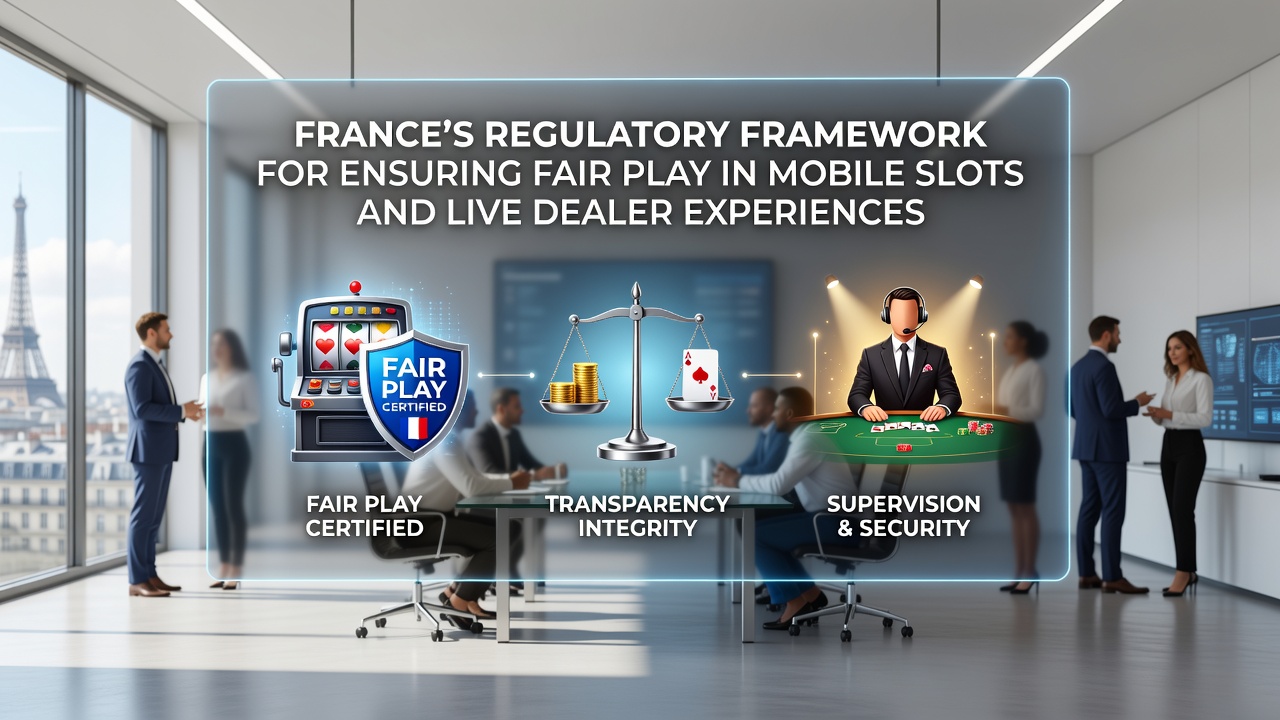
France's Regulatory Framework for Ensuring Fair Play in Mobile Slots and Live Dealer Experiences
France maintains a structured system of oversight for online gambling through the Autorité Nationale des Jeux, which sets licensing standards, technical requirements, and compliance protocols that apply to mobile slots and live dealer formats alike. Operators must secure authorization before offering games to French residents, and this process includes submission of detailed documentation on game mechanics, software integrity, and ongoing monitoring capabilities.
Licensing Requirements and Operator Obligations
Entities seeking to provide mobile slots must demonstrate that random number generators undergo independent certification from approved testing laboratories, while live dealer platforms require verification of real-time video streams, dealer conduct protocols, and system audit trails. The framework mandates that all licensed platforms implement player age verification, deposit limits, and self-exclusion tools as standard features rather than optional add-ons.
Renewal of licenses occurs on a periodic basis, and regulators review operator performance data including payout ratios, complaint volumes, and incident reports before granting extensions. This cycle ensures that technical standards keep pace with evolving mobile technology and streaming capabilities used in live dealer environments.
Technical Standards for Mobile Slots
Mobile slots fall under specific technical specifications that cover return-to-player percentages, game volatility disclosure, and anti-tampering measures for client-side software. Data from licensed operators shows that certified games must maintain consistent outcomes across different device types and operating systems, with mandatory logging of every spin result for regulatory inspection. Testing bodies conduct both initial approval checks and periodic re-evaluations to confirm ongoing compliance.
Oversight of Live Dealer Experiences
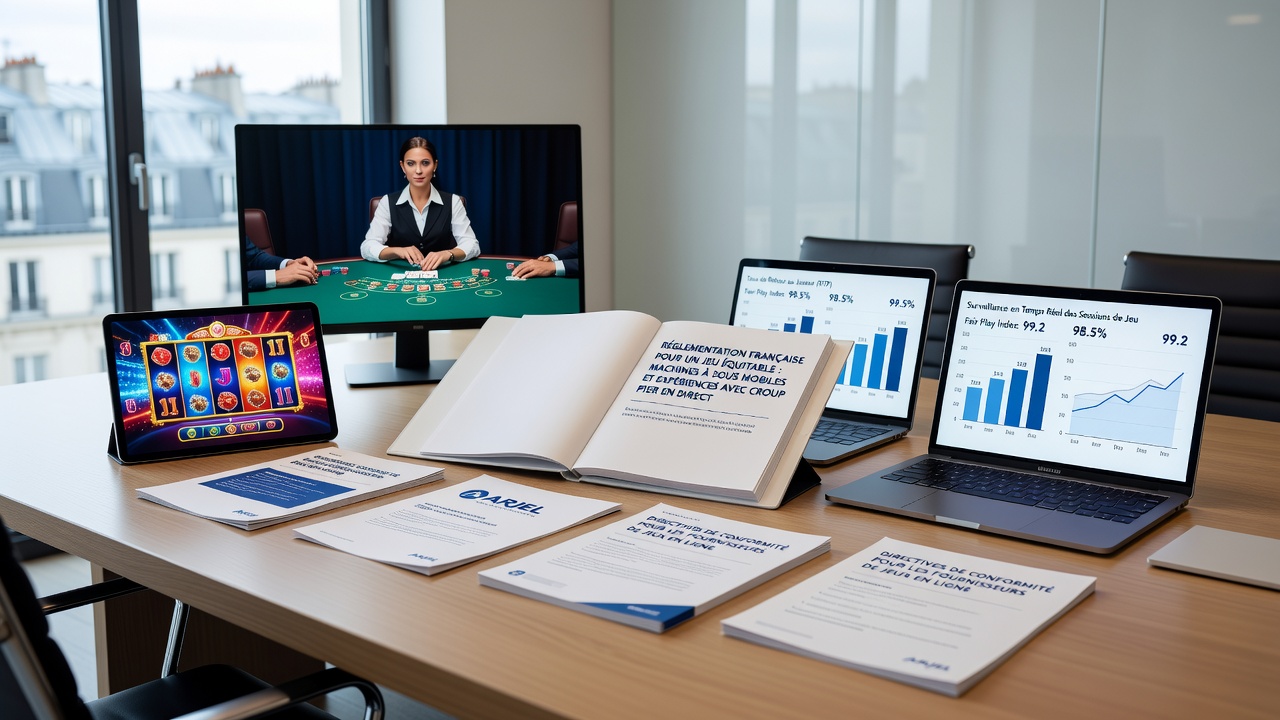
Live dealer offerings receive additional scrutiny because they combine physical operations with digital delivery, requiring regulators to examine studio security, camera placement, and dealer training records alongside the underlying platform software. Rules specify that all card shuffles, wheel spins, and table actions must be recorded and retained for defined retention periods, allowing authorities to investigate disputes or suspected irregularities. According to reports from the Autorité Nationale des Jeux, live game providers must integrate automated monitoring tools that flag deviations from expected statistical patterns in real time.
Cross-border cooperation plays a role when live dealer streams originate outside France, as agreements with other European regulators facilitate information sharing on operator conduct and enforcement actions. This arrangement helps maintain consistent standards even when game servers or studios sit in different jurisdictions.
Player Protection Measures and Compliance Monitoring
Regulatory directives require clear display of game rules, RTP figures, and responsible gaming resources on every mobile interface and live table screen. Operators submit regular reports that detail player behavior trends, bonus abuse patterns, and effectiveness of harm minimization tools. Independent audits verify that these reports accurately reflect actual platform activity rather than curated summaries.
Enforcement mechanisms include financial penalties, temporary suspensions, and license revocation when violations occur, with decisions published to provide transparency about regulatory expectations. Research from European gaming associations indicates that consistent application of these measures correlates with higher rates of operator compliance across mobile and live verticals.
Developments Through 2026
By August 2026 the existing framework continues to adapt through updated technical guidelines that address emerging issues such as cloud-based game hosting and enhanced encryption for live video feeds. Regulators have incorporated feedback from industry consultations into revised testing protocols, ensuring that new mobile slot titles and live dealer configurations meet the same fairness benchmarks applied to earlier generations of games.
Conclusion
France's approach integrates licensing, technical certification, continuous monitoring, and player safeguards into a single cohesive structure that covers both mobile slots and live dealer experiences. Observers note that this model relies on documented standards and independent verification rather than self-reporting alone, which supports consistent application across licensed operators. Data from regulatory filings and compliance reports provide measurable indicators of how these rules function in practice over time.