French Legal Shifts Redefining Transaction Security Protocols Across App-Based Gaming Platforms
Écrit par Sam Neumann · 23/8/2026
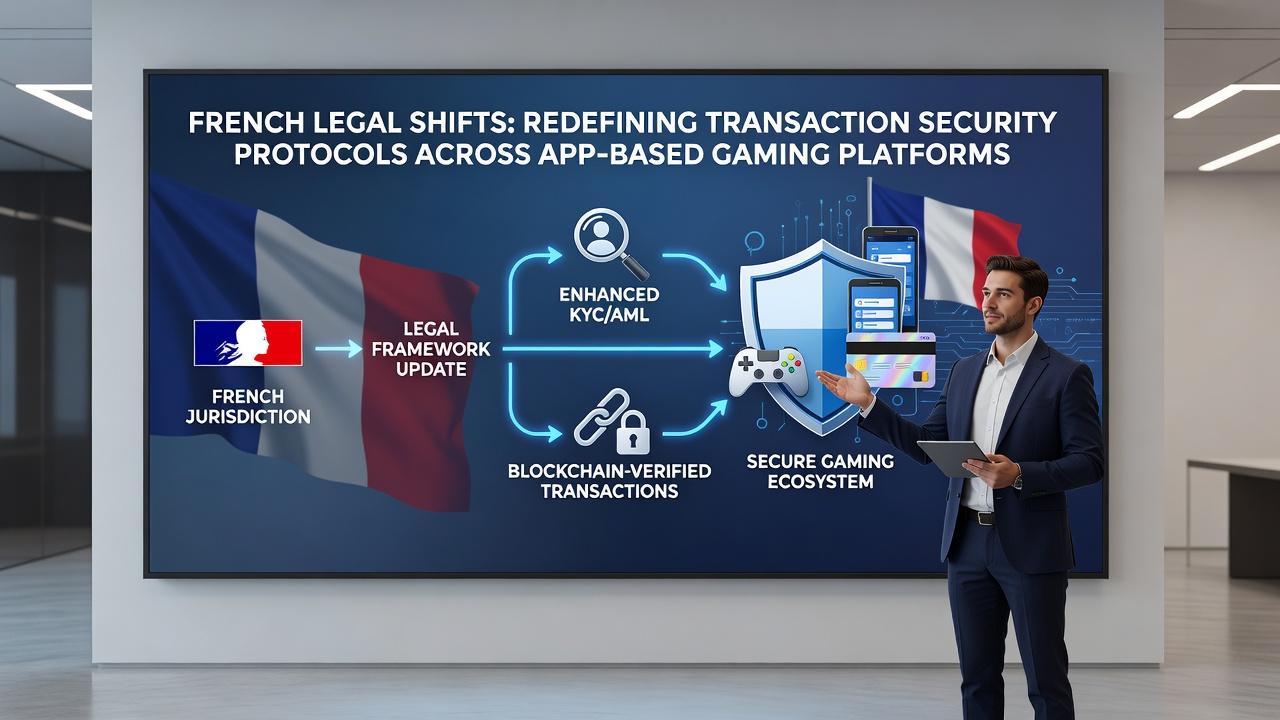
French Legal Shifts Redefining Transaction Security Protocols Across App-Based Gaming Platforms
France has updated its approach to transaction security in app-based gaming through a series of legislative adjustments that took effect in phases leading into 2026, and these changes directly influence how platforms handle payments, user verification, and data protection. Observers note that the Autorité Nationale des Jeux has coordinated with financial regulators to align gaming transaction rules with broader digital finance standards, which means operators must now implement multi-layered encryption and real-time fraud detection systems across their mobile applications.
Background on Regulatory Evolution
Legal frameworks governing online gaming in France have developed steadily since the initial legalization of certain betting activities, and recent amendments focus on tightening security around financial exchanges rather than expanding market access. Data from government reports indicate that transaction volumes in app-based gaming reached significant levels by mid-2025, prompting authorities to require enhanced protocols such as tokenized payment methods and mandatory two-factor authentication for all deposits and withdrawals. These requirements build on existing data protection laws while introducing gaming-specific obligations that apply uniformly to both domestic and licensed international operators serving French users.
Key Changes Effective in 2026
Beginning in August 2026, platforms must comply with new standards for transaction logging and cross-border payment verification, which include mandatory reporting of suspicious activity patterns to a centralized monitoring body. Researchers have documented similar shifts in other jurisdictions, yet the French model emphasizes integration with national banking infrastructure to reduce intermediary risks. One study revealed that operators adopting these protocols early saw measurable declines in disputed transactions, and this outcome stems from requirements for biometric confirmation combined with device fingerprinting on gaming apps.
App developers now face obligations to separate gaming wallets from general payment accounts, a measure designed to limit exposure during security incidents. Figures from industry analyses show that such separation reduces the potential impact of breaches by confining funds within regulated channels. Platforms must also conduct regular third-party audits of their security architecture, with results submitted to regulators within specified timelines.
Impact on App-Based Platforms
Operators have responded by updating their application interfaces to incorporate new verification steps without disrupting user flow, and this adaptation has required collaboration with payment processors that meet French certification criteria. Data indicates that many platforms now route transactions through licensed French financial entities, which adds an extra layer of oversight compared to previous direct-to-wallet models. Those who've implemented these updates report smoother compliance processes when they integrate the changes during routine app maintenance cycles.

Smaller developers encounter particular challenges because they lack the resources of larger companies, yet the regulations apply equally regardless of company size. Evidence suggests that partnerships with established security firms have become common as a way to meet technical requirements efficiently. What's notable is how these shifts encourage standardization across the sector, allowing users to encounter consistent security features regardless of which licensed app they choose.
International Context and Comparisons
Similar regulatory tightening appears in other regions, and comparisons with frameworks from Canada and Australia highlight differences in implementation timelines. According to reports from the Canadian Centre for Gaming Research, transaction security rules there prioritize consumer education alongside technical measures, whereas the French approach centers on backend infrastructure mandates. A research paper published by an Australian academic institution examined how such rules affect cross-border gaming traffic, and it found that clear security standards can stabilize user trust when applied consistently.
European Union directives on digital payments also intersect with these French changes, creating a layered compliance environment for apps that operate across member states. Platforms must therefore track both national gaming rules and wider financial regulations to avoid gaps in coverage. Observers note that this dual focus has led some operators to redesign their entire transaction pipelines rather than apply piecemeal fixes.
Technical Requirements and Implementation
New protocols specify minimum encryption standards and require real-time monitoring tools that flag anomalies during active sessions. App-based platforms now integrate these tools directly into their codebases, which allows for immediate responses to potential threats. Studies show that early adoption of comparable systems in other markets correlated with lower rates of account takeovers, and French regulators have cited these outcomes when justifying the updated rules.
Payment method restrictions have also tightened, limiting options to those that provide full transaction traceability. This change reduces reliance on less transparent channels while maintaining support for widely used digital wallets that meet security benchmarks. Operators receive guidance documents outlining acceptable configurations, which helps standardize practices across the market.
Conclusion
These French legal shifts continue to shape transaction security in app-based gaming by establishing clearer technical and reporting expectations that operators must meet. The changes reflect ongoing efforts to align gaming activities with broader digital economy safeguards, and they will likely influence platform design choices for years ahead. Continued monitoring by regulators and industry participants will determine how effectively the new protocols perform once fully operational.